

Retail Development Consultant
Residential Subdivision Development in the San Francisco Bay Area
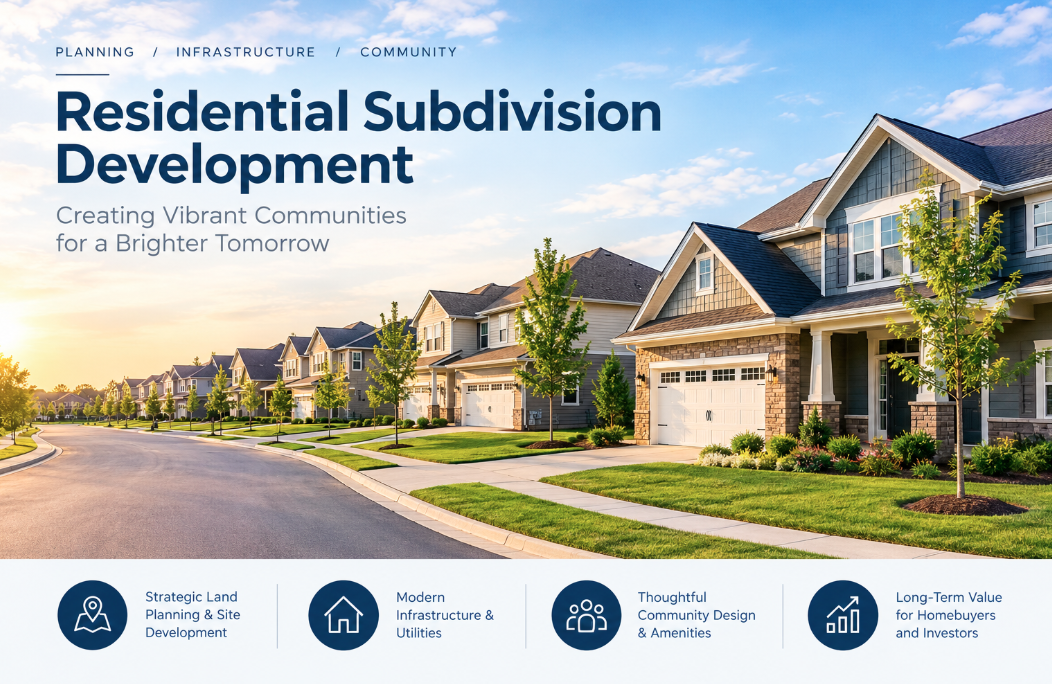
The Residential Subdivision Development requires more than dividing a parcel into individual lots. It involves evaluating the land, understanding the market, securing the necessary approvals, coordinating site improvements, and preparing finished home sites for the next stage of development. RGQ approaches subdivision projects from the developer's perspective, managing the process from land acquisition through home-site delivery. This differs from civil engineering and contracting firms that primarily focus on individual components such as grading, utilities, or infrastructure installation. In the San Francisco Bay Area, where land conditions, entitlement requirements, infrastructure needs, and market factors can vary significantly by location, early planning is especially important. RGQ can bring together the development, acquisition, entitlement, financing, and coordination functions needed to move a residential subdivision opportunity from an initial land concept toward a viable development.
Building a Residential Subdivision: Our Process
A residential subdivision typically involves several connected stages. Coordinating these stages early can help identify challenges before they affect the overall development strategy.
Land Acquisition & Feasibility:
The process begins by evaluating the property, surrounding market, existing land use, access, infrastructure, physical characteristics, and potential residential yield. Financial feasibility is also reviewed, including acquisition costs, anticipated development expenses, potential home-site values, and other project assumptions. This initial analysis helps determine whether the land supports the proposed subdivision concept.
Entitlements:
Once a property demonstrates potential, the development team can work through applicable planning and entitlement requirements. This may include subdivision approvals, zoning considerations, environmental review, development standards, and other local requirements. The specific process depends on the jurisdiction and characteristics of the property.
Site Development Coordination:
Subdivision development requires extensive civil work before finished home sites are available. RGQ coordinates with qualified civil engineers, grading contractors, utility providers, and other specialists rather than performing this work directly. Engineering plans, grading, roads, drainage, utilities, and related infrastructure must be coordinated with the broader development schedule.
Home-Site Delivery:
Once the required approvals and site improvements are completed, the project moves toward delivery of finished home sites. Depending on the development strategy, these sites may then be sold, transferred, or advanced toward residential construction.
This developer-led approach helps connect land decisions with entitlement strategy, infrastructure planning, financing, and the final residential opportunity.
Subdivision Site Development Coordination
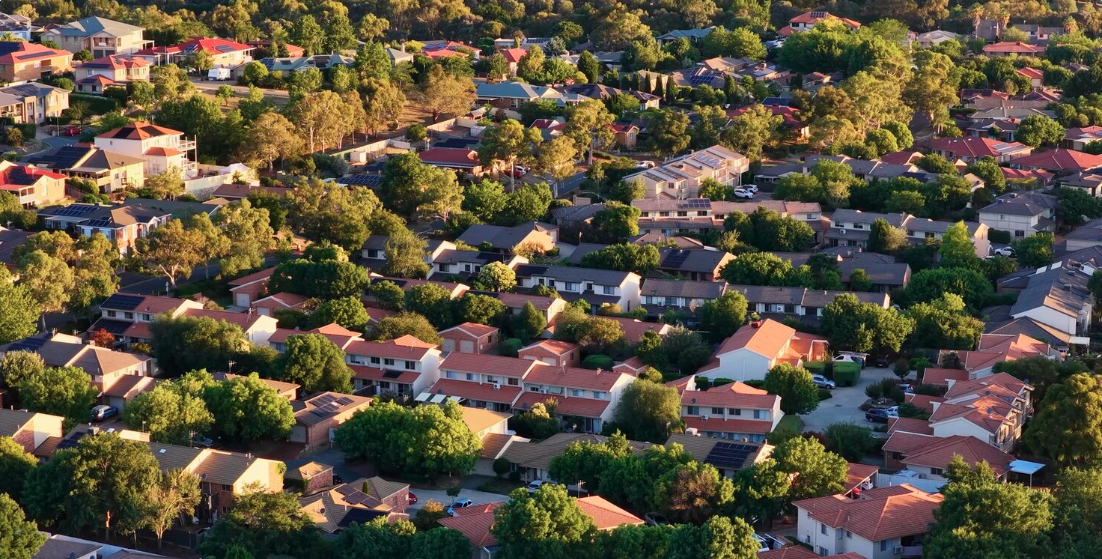
The Subdivision Site Development involves much more than preparing individual engineering plans. Roads, grading, drainage, water, sewer, electrical infrastructure, stormwater systems, and other improvements must work together as part of the larger subdivision plan.
RGQ's role is to coordinate these elements from the developer's perspective. The company does not present itself as a civil contractor or engineering firm performing grading or utility installation directly. Instead, RGQ can work with qualified professionals responsible for these specialized tasks and help keep their work aligned with the project's overall development objectives.
This coordination can include working with civil engineers on site plans and infrastructure requirements, communicating with grading contractors regarding the development schedule, and coordinating utility-related requirements with the appropriate providers and consultants. The goal is to make sure site-development decisions remain connected to entitlement requirements, financial assumptions, home-site configuration, and the project's delivery schedule.
Early coordination can also help identify potential issues with access, drainage, utility capacity, grading conditions, or infrastructure costs before they become larger development concerns. For a developer, understanding these factors early can be important when determining whether a parcel can support the intended residential density and development strategy.
Site Selection & Land Acquisition for Subdivisions
A strong subdivision opportunity begins with the land. Site selection should therefore happen before major development commitments are made. RGQ can evaluate potential properties based on location, market conditions, land use, development potential, surrounding uses, infrastructure, and acquisition economics.
The site selection and land acquisition stage can help determine whether a property fits the intended residential strategy. Factors may include access to existing roads, availability of utilities, topography, parcel configuration, zoning, surrounding development, environmental considerations, and the likely entitlement path.
Market conditions are equally important. A parcel may appear attractive based on size alone but may not support the desired number of home sites or product type after development requirements are considered. Conversely, a smaller or more complex property may present an opportunity if its location, zoning, and development economics support a viable project.
RGQ's broader commercial real estate experience also supports evaluation of opportunities that may not yet be fully marketed. Strategic relationships can provide access to owners, development partners, capital sources, and other participants in the real estate market.
By evaluating the land before focusing on construction, RGQ can approach subdivision development as an investment and development decision rather than simply a site-work assignment.
Financing & Development Partnerships

Financing is an important part of moving a subdivision from land acquisition to completed home sites. Development costs can include acquisition, entitlement, engineering, infrastructure, grading, utilities, professional services, and other project expenses. The Subdivision development financing should therefore be considered early in the feasibility process.
RGQ can evaluate potential development structures and capital relationships based on the project's characteristics. Joint ventures may provide one potential structure when a landowner, developer, and capital partner bring different resources to a project. The appropriate structure depends on the property, development plan, capital requirements, and negotiated terms.
RGQ's broader approach to real estate development joint ventures can support consideration of these partnerships as part of the overall subdivision strategy.
Why Partner With RGQ?
RGQ brings a developer-side perspective to residential subdivision opportunities in the San Francisco Bay Area. The firm has more than 30 years of commercial real estate experience and focuses on development, repositioning, acquisitions, land opportunities, and strategic partnerships.
During Robert G. Quintero's career, he and his partners owned and operated more than 4 million square feet of retail malls nationally. He has also personally negotiated more than 1.28 million square feet of leases involving major department stores and national credit tenants.
This experience supports a broader understanding of how land acquisition, development strategy, financing, market conditions, and partnerships connect. RGQ also maintains institutional relationships and strategic alliances that can be relevant when evaluating complex development opportunities.
The company's 30+ years of real estate development experience provides a foundation for approaching subdivision projects from the initial land opportunity through the development process, while relying on qualified specialists for engineering and construction work.
Discuss a Residential Subdivision Opportunity with RGQ
Residential subdivision development requires coordination across land acquisition, entitlements, financing, engineering, infrastructure, and home-site delivery. RGQ can help owners and development partners evaluate these elements from a developer's perspective and build a strategy around the property's potential. Contact RGQ Development to discuss a residential subdivision opportunity in the San Francisco Bay Area.
Frequently Asked Questions
What does a residential subdivision developer do?
A residential subdivision developer oversees the broader development strategy. This can include land acquisition, feasibility, entitlements, financing, consultant coordination, infrastructure planning, and preparation of finished home sites. The developer typically coordinates specialized professionals rather than personally performing engineering or construction work.
Does RGQ handle site grading and utilities directly?
No. RGQ does not present itself as a grading contractor or utility installation company. Its role is to coordinate qualified civil engineers, grading contractors, utility providers, and other specialists as part of the overall development process.
How long does subdivision development take?
There is no standard timeline. The schedule depends on the property, entitlement requirements, environmental conditions, infrastructure needs, jurisdiction, project size, and construction scope. Complex Bay Area projects can require significant planning before home-site delivery.
What should be considered before buying subdivision land?
Important factors include zoning, potential residential yield, market demand, access, utilities, topography, environmental conditions, entitlement requirements, infrastructure costs, acquisition price, and the anticipated value of finished home sites.
Can RGQ help with financing and development partnerships?
RGQ can evaluate potential financing and partnership structures as part of the development strategy. Depending on the opportunity, this may include discussions around joint ventures and capital relationships. Specific financing arrangements depend on project economics and negotiated terms.